Hit play for a preview, or open in Spotify for the full episode.
In this episode of the Private Practice Elevation Podcast, you’ll learn how to use Claude to take admin work off your plate without putting client information at risk.
Many therapists have tried AI a few times and gotten generic answers back. Others won’t touch it, worried about HIPAA.
So the hours keep going to bookkeeping, hiring, marketing and payroll prep. That’s time you could spend with clients, or with your family.
Good results come from context. Once Claude knows your values, your goals and how your practice runs, a one-line request gets you useful work back.
Today Daniel is talking to Uriah Guilford, a licensed therapist, group practice owner, and the Head Nerd at Productive Therapist, a virtual assistant company for therapists in private practice.
Uriah has run a profitable business for more than 15 years. He switched to Claude about 2 years ago and now runs Claude for Therapists, a community where practice owners learn to set up AI for the business side of their practice.
This Episode Answers…
How can therapists use AI safely in their practice?
Uriah draws a clear line. Use Claude for the operations side of your practice: finances, marketing, strategy, HR and hiring. Anything non-clinical.
Keep client information in tools built for it. For clinical work, use the note-taking tool inside your EHR. Gemini can work with PHI if you have a Google Workspace account with a signed business associate agreement (BAA). And Productive Therapist’s AI CRM runs an AI receptionist and website chatbot that handle PHI safely.
Claude’s HIPAA-ready plan is built for larger organizations, so it doesn’t fit most solo or small group practices yet. Uriah is hoping Anthropic releases an option for clinicians.
His approach to tools: pick one, go deep on it, and bring in others when they do a specific job better. Right now ChatGPT is better with images, for example.
How do you set up Claude so it knows your practice?
Start with a master prompt. It’s a short document about you, your practice, your values and your goals. You add it in Claude’s settings, and every chat draws on it.
When Uriah wrote his, he included that he tends to decide from feelings more than data, and that he’s prone to shiny object syndrome. Now when he brainstorms, Claude asks if this is the shiny object he warned it about.
In his words: “It’s like going from a therapist you just sat down with for the first session to the one you’ve been seeing for 2 years.”
Next, set up projects. Give finance, marketing, HR or anything else its own project with its own instructions and documents. Uriah has one called Steve the Coach that gives business advice based on authors he likes, such as Donald Miller and Mike Michalowicz (Profit First). Group practices can upgrade to Claude Team and work together inside shared projects.
What admin work can you hand off to AI first?
Start with your pain point. Find the task that takes up too much of your time, then ask your AI tool directly: how can you help me with this? It will give you an answer.
A time audit makes this easier. Track what you do in 15-minute blocks for a week or two, then look for the admin and operations tasks that eat the most hours.
Finances are a good place to start. Uriah uses Claude as an AI CFO for analysis, projections and budgets. With Claude connected to QuickBooks, he can ask how this September compares to last September without uploading a report. You can have Claude pull a monthly profit and loss summary on a schedule, too. Payroll is next on his list: Gusto just ran a workshop on connecting Claude to Gusto to prepare payroll.
Uriah’s rule: if it doesn’t involve PHI, you can automate it with AI. He still makes the final call on every decision.
Other Key Takeaways:
- Tell the AI what “done” looks like. Daniel gets better results when he spells out the full outcome, then keeps iterating until the work is complete.
- Claude’s memory features now pick up details over time. Uriah’s Claude knows his dog is Mojo, and that his daughter Lucy and his employee Lucy are 2 different people. The master prompt is still worth writing.
- Daniel uploads his P&L to Claude each quarter. Over time it builds a financial history and asks about dips, which helps him time new hires.
- Uriah’s Practice Autopilot Bingo lists 25 things a private practice could automate. Play a round and walk away with a short list of what to automate next.
- Delegate the drudgery to AI and keep the human parts human. Uriah takes tech-free walks, journals on paper and listens to vinyl. Daniel is heading to a cabin in the North Georgia mountains for a 2-night solitude retreat, with his laptop left at home.
Links mentioned in this episode:
Productive Therapist: productivetherapist.com
Claude for Therapists community: claudefortherapists.com
Practice Autopilot Bingo: bingo.productivetherapist.com
Ready to reach more of your ideal clients? Book a free call: privatepracticeelevation.com/kickoff
Watch The Video:
This Episode Is Brought To You By The Following Sponsors:

Zanda practice management software is excited to partner with Private Practice Elevation Podcast to support practitioners with simple, secure tools that reduce admin and strengthen practice operations. Together, we’re helping practitioners spend less time on paperwork and more time with clients.
If you’re ready to spend less time on admin and more time with clients, visit zandahealth.com to start your free trial.

Alma is on a mission to simplify access to high-quality, affordable mental health care by giving providers the tools they need to build thriving in-network private practices. When providers join Alma, they gain access to insurance support, teletherapy software, client referrals, automated billing and scheduling tools, and a vibrant community of clinicians who come together for education, training, and events.
Learn more about building a thriving private practice with Alma at helloalma.com/elevation.
About Uriah Guilford
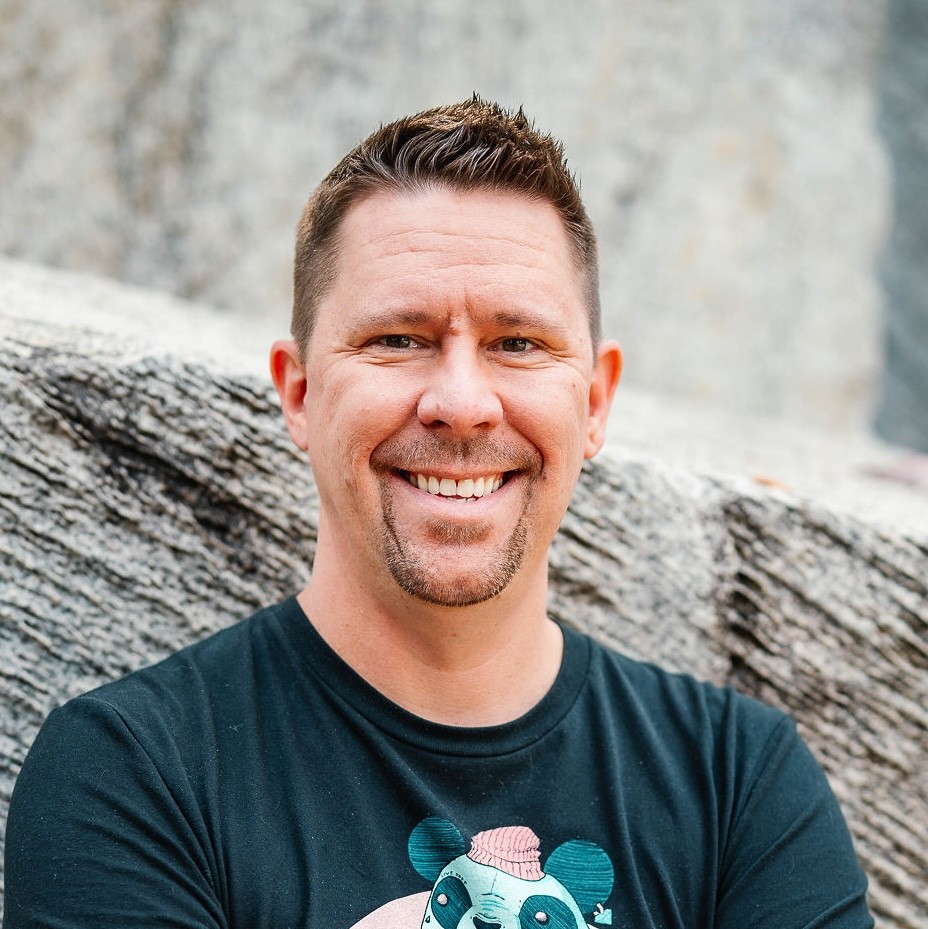
Uriah Guilford is a licensed therapist and a group practice owner. He’s also the author of The Productive Practice book and the Head Nerd at Productive Therapist, a virtual assistant company that serves therapists in private practice. He’s a technology nerd, a minimalist travel packer and a rock drummer.
About Daniel Fava

Daniel Fava is the owner and founder of Private Practice Elevation, a website and SEO agency focused on helping private practice owners create websites that increase their online visibility and attract more clients. Private Practice Elevation offers web design services, SEO (search engine optimization), and WordPress support to help private practice owners grow their businesses through online marketing.
Daniel lives in Atlanta, GA with his wife Liz, and two energetic boys. When he’s not working he enjoys hiking by the river, watching hockey, and enjoying a dram of bourbon.